


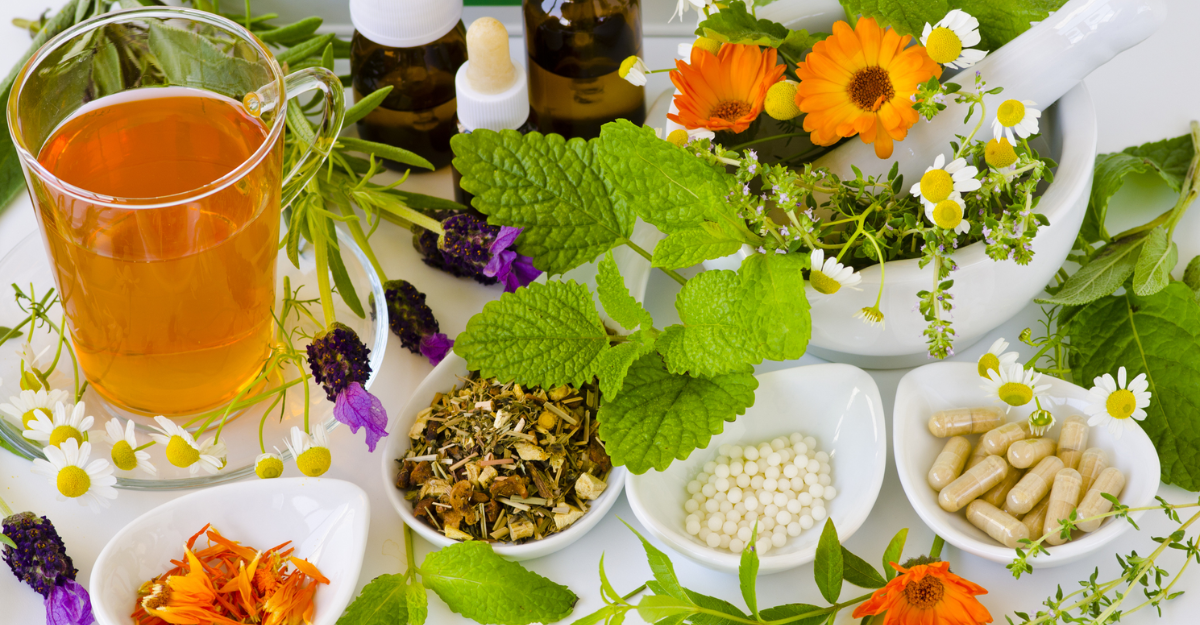
Natural Health and Wellness is not about strict rules or short-term fixes. It is about building a balanced lifestyle that supports your body and mind every day. In today’s fast-paced world, many people struggle with low energy, poor sleep, and constant stress.
A thoughtful approach to natural wellness focuses on simple habits, nourishing food, and steady routines that improve overall well-being over time. When you align daily choices with your body’s natural needs, you create a stronger connection between the mind and body.
This approach helps protect long-term health, improves focus, and makes daily life feel more manageable. True wellness grows through consistency, not perfection, and it begins with understanding how small actions shape lasting health.
Understanding Natural Health and Wellness
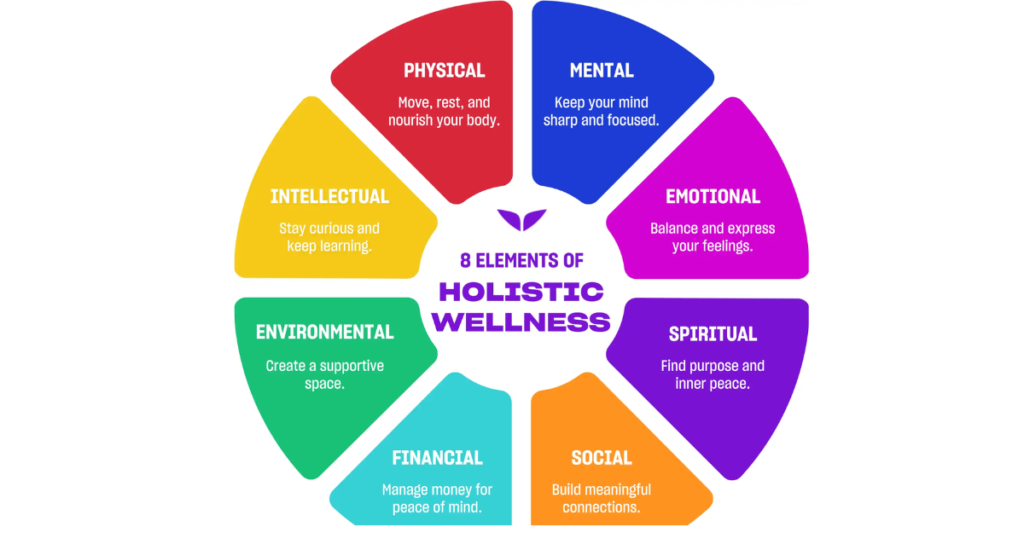
Natural health and wellness means caring for the whole person, not isolated symptoms. It blends sleep, movement, food, stress care, and recovery into a holistic wellness approach that respects how systems work together. When lifestyle choices align with biology, the body adapts better, energy stabilizes, and focus improves.
In practice, natural wellness emphasizes prevention and balance. Instead of extremes, it favors sustainable patterns that protect overall well-being. This perspective values consistency over intensity and views health as a lifelong wellness journey, not a short project.
Daily Habits That Strengthen Natural Health and Wellness
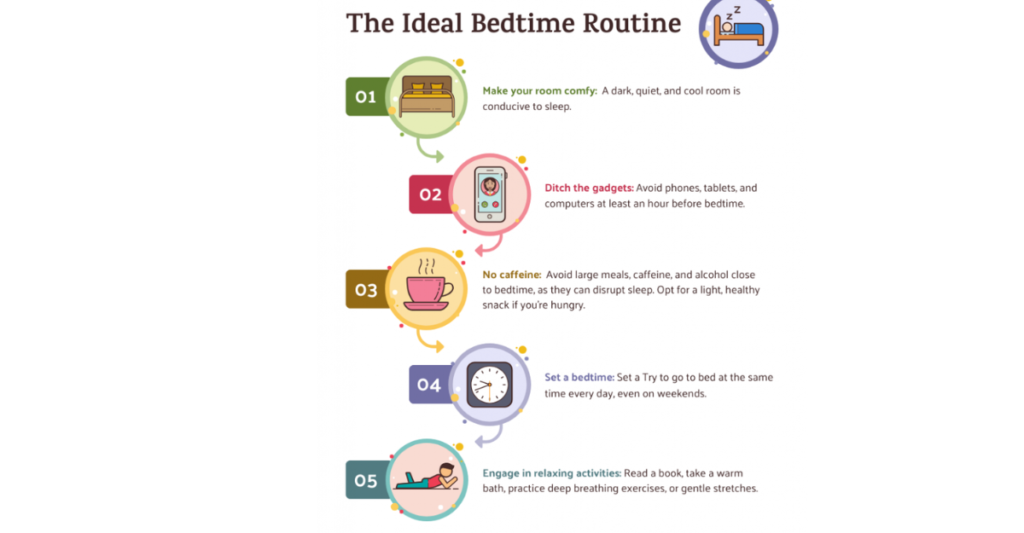
The backbone of natural health and wellness is repetition. Daily habits such as waking times, meals, movement, and downtime quietly shape energy management and resilience. When routines repeat, the nervous system relaxes and performance improves without strain.
Over time, healthy habits compound. Small actions like steady hydration, gentle physical activity, and mindfulness says “no” to overload. These patterns create a balanced lifestyle that supports work, family, and recovery without burnout.
Sleep, Energy, and Recovery for Total Wellness
Sleep protects everything. Strong sleep quality improves memory, immunity, and mood while repairing tissues. Good sleep hygiene keeps hormones aligned, which stabilizes energy levels and appetite. Without rest, no plan for natural health and wellness works well.
Recovery completes the cycle. A calm evening routine, low light exposure, and steady timing help the brain reset. When sleep improves, energy management becomes easier, stress drops, and the mind and body regain balance.
Nutrition for Natural Health and Wellness
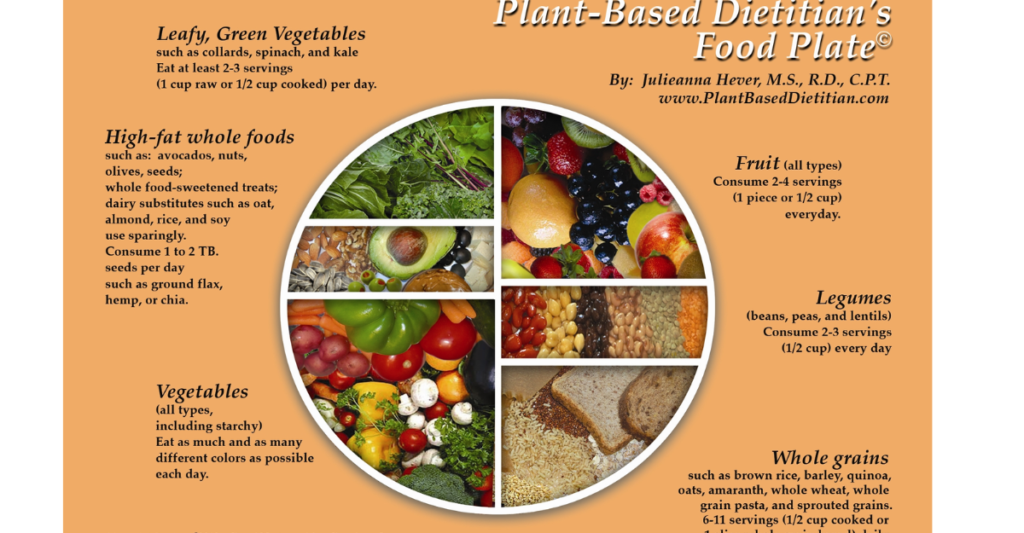
Food fuels function. A supportive nutrition plan centers on whole foods, balanced meals, and a healthy diet that fits culture and budget. This approach steadies blood sugar, improves digestive health, and protects gut health.
Eating rhythm matters as much as content. Regular meals aligned with a daily rhythm improve metabolism and mood. Over time, food becomes a stabilizer for overall well-being, not a source of stress.
Natural Ingredients That Support Wellness
Simple natural ingredients add quiet benefits. Apple cider vinegar supports flavor balance and digestion when used with meals. Olive oil provides healthy fats that protect the heart and support absorption of nutrients.
Plant-based seasonings matter too. Nutritional yeast adds B vitamins and umami without excess salt. These staples fit a natural wellness kitchen and support long-term health through everyday use.
| Ingredient | Primary Role | Wellness Support |
| Apple cider vinegar | Acid balance | Digestive health, appetite control |
| Olive oil | Healthy fats | Heart health, metabolism support |
| Nutritional yeast | B vitamins | Energy, nerve support |
Physical Activity and Muscle Health

The movement maintains independence. Daily physical activity and regular exercise protect joints, improve circulation, and lift mood. Consistency matters more than intensity for natural health and wellness.
Strength protects aging bodies. Strength training preserves muscle health, supports bones, and improves weight management. Combined with walking or cycling, it creates a resilient base for a healthy lifestyle.
Stress Management and Mental Well-Being
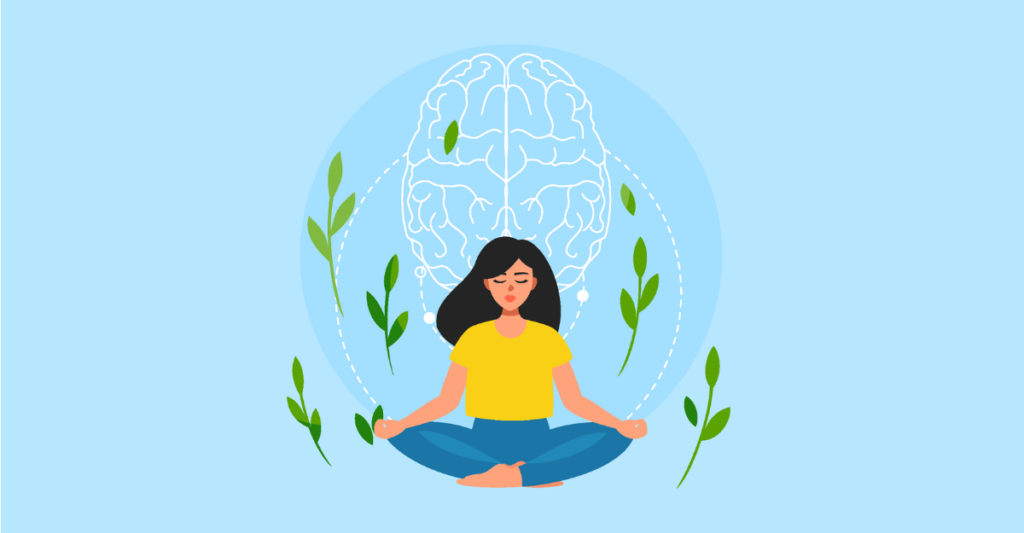
Unchecked stress erodes balance. Effective stress management protects sleep, digestion, and focus. Simple stress relief practices keep cortisol in check and support mental well-being.
Calm is trainable. Mindfulness and breathing exercises slow the nervous system. Short pauses during the day restore clarity and protect emotional well-being without needing long retreats.
“Stress is not the enemy. Chronic stress without recovery is.”
Supplements and Natural Support (When Needed)
Food comes first, yet support can help. Dietary supplements and natural supplements fill gaps during high demand or limited intake. Supplement safety depends on dose, timing, and quality.
Some options are well studied. Ashwagandha supports stress balance. Probiotics aid gut health. Omega-3 fatty acids protect the heart and brain. Vitamin D supports bones and immune system support. Guidance from a healthcare professional ensures safe use.
Building Sustainable Healthy Habits
Lasting change feels manageable. Sustainable wellness grows when habits match life stages. A simple morning routine anchors energy while a calming evening routine protects sleep.
Consistency wins. Repeating small actions forms a stable wellness routine. Over time, these lifestyle choices reduce friction and strengthen long-term health without willpower fatigue.
Living a Happier Life Through Natural Health and Wellness
Happiness follows balance. When natural health and wellness supports steady energy levels, daily life feels lighter. Social connection, purpose, and rest work together to improve overall well-being.
Joy becomes practical. By aligning work, movement, and rest, a balanced lifestyle emerges. This harmony supports energy management and keeps motivation steady across seasons.
Safe and Smart Approach to Natural Health
Safety builds trust. Foods and supplements support health but do not replace care. Listening to the body and seeking a healthcare professional when symptoms persist protects outcomes.
Moderation matters. Thoughtful use of tools keeps natural wellness effective. Smart pacing prevents overload and supports physical health and mental well-being together.
Your Long-Term Natural Health and Wellness Journey
Progress beats perfection. A flexible plan adapts to travel, work, and aging. This mindset sustains natural health and wellness through change and challenge.
Stay curious and kind to yourself. With patience, your wellness journey evolves into a stable, rewarding healthy lifestyle that supports overall well-being for years to come.
FAQs
What are the 7 balanced diet foods?
A balanced diet includes foods that provide essential nutrients for daily function. The seven key balanced diet foods are fruits, vegetables, whole grains, lean proteins, healthy fats, dairy or dairy alternatives, and water. Together, they support energy, digestion, immunity, and overall health.
What are the 12 habits for a healthy mind and body?
Healthy mind and body habits include quality sleep, regular movement, balanced eating, hydration, stress control, mindfulness, social connection, time outdoors, limiting screen time, positive thinking, routine checkups, and consistent daily routines. These habits work together to support long-term wellness.
What are the 7 types of wellness?
The seven types of wellness are physical, mental, emotional, social, spiritual, intellectual, and environmental wellness. Each area contributes to balance and overall well-being, helping individuals feel healthier, more fulfilled, and resilient in daily life.
What are the five components of a healthy and balanced lifestyle?
A healthy lifestyle includes proper nutrition, regular physical activity, quality sleep, effective stress management, and positive social relationships. These components support physical health, mental clarity, emotional balance, and long-term disease prevention.
What are the 7 healthy habits of wellness?
The seven healthy wellness habits are eating nutritious foods, staying active, sleeping well, managing stress, staying hydrated, practicing mindfulness, and maintaining healthy relationships. Practicing these daily builds consistency and supports long-term health.
What are the 4 pillars of a healthy lifestyle?
The four pillars of a healthy lifestyle are nutrition, physical activity, sleep, and stress management. When these pillars stay balanced, the body functions better, energy improves, and overall well-being becomes easier to maintain.







10 Best Cruelty Free Face Serums for Sensitive Skin (2026 Expert Guide)
[…] 10 Essential Principles of Natural Health and Wellness for a Balanced Lifestyle […]